Land Clearing Techniques
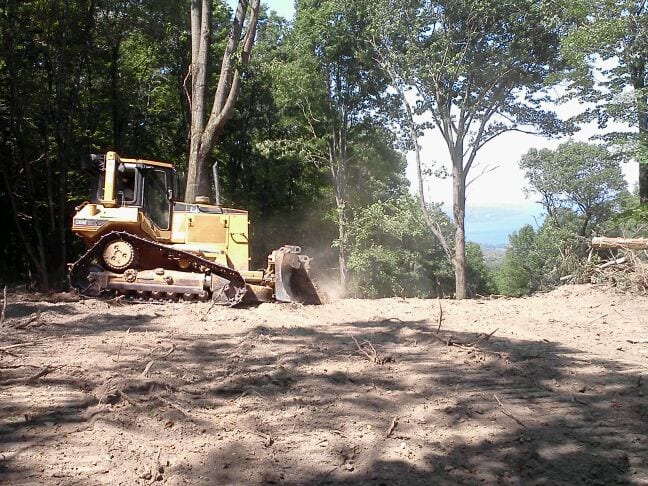
It has become more common to use brush-clearing techniques in a variety of situations. These methods can range from minimal to extensive clearing operations. They are also referred to as "scavenger" or "burn-off systems". Scavenger clearing involves raking, using chemicals, or burning away unwanted vegetation and undergrowth to make space for crops and other growing needs. Burn-off systems involve manually removing vegetation and leaving the residue exposed so it can be burned away. Should you want to know more about land clearing techniques read on.
This method of land clearing requires less intensive cutting and tends to work best for small to medium sized areas without too much vegetation and stump. Instead of ripping the land completely to the ground, the topsoil is simply removed. Some of the more effective land clearing techniques include using hydro-axis, blade sweep, and brush cutter. Hydro-axis clears large areas of weeds and undergrowth while blade sweep and brush cutter clear smaller patches of vegetation.
Another one of the older methods of land clearing techniques is using what is called a "pile in pile" approach. This is also called a "burn-off system". In this method, a large pile of brush or other vegetation is set up in an area, making sure it is completely covered by the burned pile of material. Then, a large hole is dug, and a machine-like machine scrapes the pile of material, effectively flushing it into the ground. After the pile has burned away, the hole is filled with more brush and vegetation.
Another of the more common land clearing techniques involves excavating around trees. This process may use bulldozers or other mechanized equipment. The excavator is inserted into the middle of a tree clearing operation, and rows of bulldozers or other large machines are pushed through the clearing using a crane. The roots of the trees are loosened using a very powerful vacuum, and then the roots are removed using another powerful vacuum.
The final of the three main land clearing techniques involves "spreading and reseeding". In this technique, machines are used to dig a wide variety of smaller holes and fill them with material that is placed in one of the holes. This machinery may also include a number of large dump trucks. The trucks containing the material load the holes, leaving them filled with materials including crushed pine straw, gravel, sand, and / or sod. After the holes have been created, machinery forces the material to flow into the holes, compacting the soil as it goes. Finally, the area is lined with grass and vegetation to help the new lawn grow into the newly cleared area, for info read more now .
There are many other land clearing techniques, including ones that use herbicides or pesticides. While many of these techniques are less harmful than what we apply directly to our lawns, some can be linked to health problems that can arise from inhaling or being exposed to chemicals. For this reason, it is very important to consider the type of herbicide or pesticide that will be used for any job done on your property. Be sure to check with your local extension office before applying any chemicals of any kind to your yards. Check out this post for more details related to this article: https://www.encyclopedia.com/humanities/applied-and-social-sciences-magazines/construction-and-clearing-land.
